
Valentino Signature Bags Punk Elegance Look
Why Garavani Appears on Your Valentino Bag
Turn a Valentino bag inside out and the tag gives you two words where you might have expected one: VALENTINO and GARAVANI, in capitals, above MADE IN ITALY. Most shoppers read that second word as a flourish, a founder’s signature added for prestige, or a sign that they have bought some particular sub-line. It is none of those. GARAVANI is on the bag because a contract signed in 1979 requires it to be there, and the same requirement is why the word appears throughout the advertising for the house’s leather goods. Understanding the reason turns a piece of trivia into the single most useful check a buyer can make. This piece sets out where the word comes from, what it guarantees, and what it does not.
The one-sentence answer
Another company holds overlapping rights to the word Valentino on handbags in the United States, and decades ago the Roman couture house agreed to add its founder’s surname so the two stayed distinguishable. That other company is Mario Valentino S.p.A., founded in Naples in 1952, a leather goods and footwear business with no connection to the couture house founded in Rome in 1960. Mario Valentino states it has held the American trademark Valentino for handbags and leather goods since 26 April 1971, and that senior-rights position is corroborated in legal reporting. In 1979 a coexistence agreement divided the marks between the two businesses; among its terms is one obliging Valentino S.p.A. to use GARAVANI alongside VALENTINO on leather goods and in the advertising for them. What sits on your bag, then, is a legal obligation carried out in stamped capitals. The rest of this is detail hanging off that single fact.
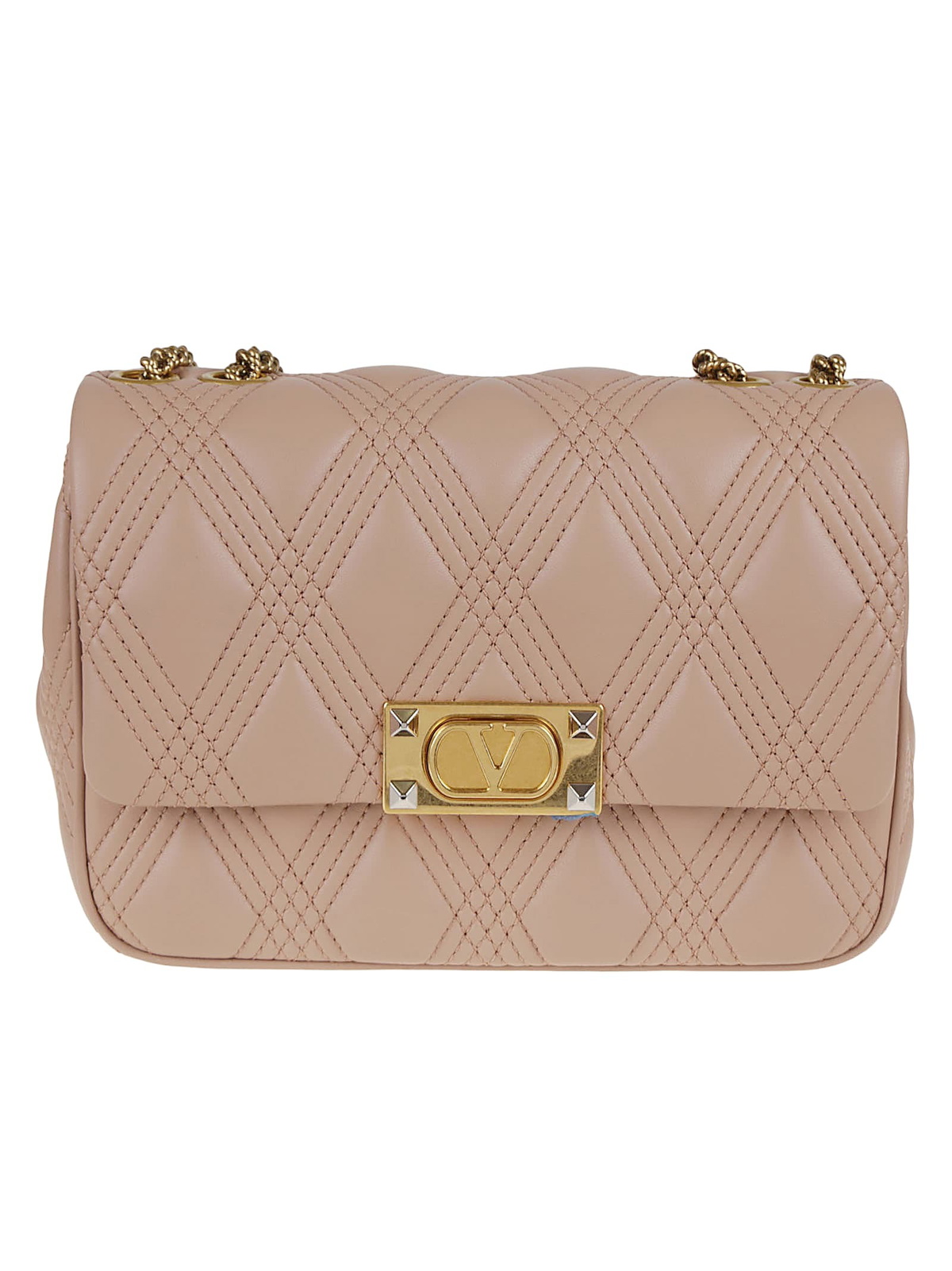
Whose surname it is
Valentino Garavani founded the house in Rome in 1960 together with Giancarlo Giammetti, opening the first atelier on Via Condotti. Close to five decades of designing under his own name ended with his retirement from design in 2007 and a final couture collection in January 2008. He had already sold the company in 1998, so by the time https://valintinoshop.com/ he stepped back he no longer owned the business carrying his name. He died on 19 January 2026, aged 93. Not one bag in the current collection was designed by him, and neither was anything made in the past two decades. What the surname on the tag records is who started the house; who works there now it does not address.
The 1979 agreement and the lawsuit that tested it
The two companies settled their overlap privately rather than in court, and the coexistence agreement they signed in 1979 remains the governing document. The agreement works both ways, handing each business a defined set of permissions and a defined set of limits. The arrangement was tested decades later in an American court, when Valentino S.p.A. filed suit against Mario Valentino in July 2019 in the Central District of California, docketed 2:19-cv-6306, alleging false advertising, unfair competition and breach of the coexistence agreement. Mario Valentino’s counterclaims were dismissed in April 2021, and the case was settled and dismissed without prejudice on 14 June 2024, with terms that were never disclosed. Since the dismissal was without prejudice, either side may return to the matter, and reporting indicates further proceedings, including arbitrations, remained live in Italy. Neither company had wrongdoing established against it, and none is suggested here; this is a trademark boundary between two legitimate businesses.
What the Naples company can do
The agreement permits Mario Valentino to trade under several forms of the name. On the exterior of its products it may use Mario Valentino, M. Valentino, Valentino, MV or V. The condition attached is that the full name Mario Valentino must appear inside the item and on its packaging, so the maker stays identifiable to anyone who opens the bag. The company may not combine V and Valentino together on leather goods. The products are genuine goods from a genuine Italian house, sitting at a different price point and moving through different channels than the couture house uses. The company’s claims about inventing the stiletto heel and the women’s moccasin are self-description rather than independently verified history, so treat them accordingly.
What the Roman house has to do
Running the other way, the obligation is narrower and far more visible. For leather goods and their advertising, Valentino S.p.A. uses the mark VALENTINO GARAVANI rather than VALENTINO alone. That explains the name of the accessories line, the two words on the interior tag, and the consistent use of the longer form on the house’s own product pages for bags. Not every category is reached identically by the requirement, which is why ready-to-wear can be presented as Valentino or Maison Valentino. The effect on a buyer is simple: the longer name on a bag is the expected, compliant form, and its absence on something sold as couture-house merchandise deserves a second look. The rule is boring, contractual and enormously useful.
One company, two names
One common misreading treats Valentino Garavani as a sub-brand, a diffusion line or a lower tier inside the same company. It is not. Accessories use the naming convention Valentino Garavani and ready-to-wear uses Valentino or Maison Valentino, with all of it coming from one company applying one set of standards. Both a Rockstud crossbody bag and a couture gown are the work of the same house, with only the label wording differing, for the contractual reason set out above. Pierpaolo Piccioli has handed creative direction to Alessandro Michele, who has led the house since 2024 on the most recent confirmable reporting. On the ownership side, Mayhoola for Investments holds seventy per cent and Kering thirty per cent, the Kering stake acquired in July 2023 with a stated intention to take full ownership by 2028. Observed 2026 market prices for the accessories carrying the longer name ran from about $650 for a VLogo Signature clutch to $7,900 for an embroidered Panthea, all made in Italy; Rebag’s data puts average resale retention for the house near 41 per cent, with hero styles between 50 and 58 per cent.
What GARAVANI guarantees, and what it does not
GARAVANI on a tag tells you which company made the bag. On its own it proves nothing about authenticity, since counterfeiters copy tags as readily as they copy studs. The checks that matter are physical: capitals in a consistent font weight, evenly pressed stamping without smudging, a tag sewn down on all four sides, engraved rather than printed hardware logos, square zip pulls with rounded edges and deep engraving, uniform pyramid studs at even spacing, and stitching of consistent density. A serial number usually sits on a tag inside an interior pocket, often black, cream or light brown, but not every bag has one and older pieces frequently do not, so a missing serial proves nothing on its own. There is no date-code system on these bags at all, so any guide claiming to decode a production date from the digits is inventing it. Authenticity cards are reported to list the model specification, the serial and Made in Italy, the serial matching the interior tag; that account comes from resale and authentication practice rather than an official brand statement, and pre-owned bags frequently arrive without one.
| What is in front of you | What it really means |
|---|---|
| Both VALENTINO and GARAVANI on the interior tag | Made by the Roman couture house, as its 1979 obligation requires |
| Valentino outside with Mario Valentino inside or on the packaging | Genuine, and from the separate Naples company |
| An interior tag without a serial number | Seen on older pieces, and not proof of a fake on its own |
| A supposed date code on the bag | No such system exists for these bags |
| No authenticity card with a pre-owned bag | Common, since cards are often lost or never passed on |
How to read a listing before you buy
Mistakes usually live in the description rather than in the bag. A resale listing headed simply Valentino bag carries no information about which company made it, and sellers abbreviate constantly, sometimes without realising there is anything to abbreviate. Ask for a clear photograph of the interior tag before agreeing a price, and believe the tag rather than the title. If you are shopping new, buy from the house’s own boutiques and webstore or from named authorised retailers such as Neiman Marcus, Bergdorf Goodman, Saks Fifth Avenue, Nordstrom, Mytheresa, Farfetch, Selfridges or Harrods, where the question never arises. If you are browsing a Valentino bag sale at an American off-price chain, expect Valentino by Mario Valentino, since that is what those chains’ own brand filters list. All of it is settled by one word on a tag, and that is precisely why it is worth knowing how the word got there.
Tory Burch Riviera Style Tory Burch Collection
Tory Sandals: The Miller, the Ines and What Fills Out the Line-Up
Ask almost anyone to picture this label and the answer is a flat leather thong with a circle cut from the toe strap. The shoe in question is the Miller, which has been the centre of gravity for the sandal category since 2008. Around it sits a group of relatives that appear identical in a thumbnail and behave very differently on a foot. What follows compares the main families across silhouette, construction, comfort, price and the buyer each one suits. All figures are observed market prices recorded from live listings in September 2026, not an official price list. A naming point before anything else: Miller, Romy, Eleanor and Pierced attach to handbags as well as shoes, and Ines carries no accent.
Breaking Down the Sandal Range
Read these not as a catalogue of styles but as four decisions. First comes strap architecture, which separates the thong, the single-band slide, the multi-strap and the T-strap. Second is the footbed, which splits the flat leather sole from the moulded, foam-cored comfort constructions. The third is height, running from completely flat through a low block heel to a full jute wedge. Fourth is material, because a single silhouette turns up in leather, patent, suede, jelly, metallic, raffia or beadwork at very different prices. Those four questions will place almost every option in the tory sandals range precisely.
The Miller as Reference Point
Every other option here is measured against the Miller, which is where the family starts. The shoe is a flat leather thong carrying a circular laser-cut Double T at the toe, and trade coverage dates it to 2008. The construction is deliberately simple, which makes it hard to mistake and easy to wear with almost anything. Twenty or more variants can fill one season, spread across patent, suede, pearlescent and tory burch sandals sale printed finishes. The leather Miller was observed at $200 across those materials, while the Metal Miller and Miller Capri were both observed at $250. Buyers commonly report that it runs slightly small and narrow, a wide width is available, and the flat leather footbed gives no cushioning at all.
The Miller Cloud: The Same Shape, Rebuilt Underneath
The Miller Cloud is not a separate franchise and should never be described as one. It is the Miller reinterpreted for comfort, a thicker moulded footbed and a dual-density foam core filling the place of the flat leather sole. Because the strap architecture and toe cutout are unchanged, it reads as a Miller from above yet clearly does not from the side. That moves it from a dress-flat register toward an all-day sandal, at the cost of a heavier profile. Observed pricing placed the Miller Cloud Sandal at $225, a $25 step over the leather Miller, and the Cloud Pave Knotted at $325. Choose this version for travel and for long days on your feet.
Cloud Light, Cloud Lug and Cloud Pave Knotted
The Cloud has its own sub-variants, and a lot of writing merges them into a single product. The Cloud Light is the cheapest entry to the family and was observed at $150, below even the leather Miller. That makes it the least expensive route to the cushioned footbed, which matters if comfort is the reason for buying. The Cloud Lug swaps the smooth outsole for a chunkier treaded one, adding grip and height. The Cloud Pave Knotted, observed at $325, trades the plain strap for a knotted, pave-set treatment. Treat them as three different shoes rather than colourways, and check which one a listing means before comparing prices.
The Ines: The Pared-Back Alternative
Bought by people who find the toe cutout rather too recognisable, the Ines is the quiet counter-proposal to the Miller. In place of a thong with an aperture come broad stacked leather bands, with the branding delivered as a layered logo detail. The point is exactly that: from a few feet away it reads as a plain leather slide. The family takes in the standard Ines Slide, the Single-Band Slide and an espadrille wedge, which lets one language run from flat to heeled. The Ines Slide was observed at $225 and both the Single-Band Slide and the Espadrille Wedge at $250. A wide version has been observed, and since there is no toe post it suits anyone who cannot tolerate a thong strap.
Romy, Pierced, Eleanor and Patos
A further group sits beyond the two lead families, widening the range rather than competing with it. Under Romy sit a slide, a flip-flop and a block-heel sandal, all softer and more rounded than the Miller’s hard geometry. Pierced came last, debuting on the Spring 2025 runway with a metal ring driven through the silhouette. A heeled sandal and a wedge espadrille come from Eleanor, while Patos supplies a T-strap. Observed pricing started at $225 for the Romy Flip-Flop and $250 for the Romy Slide, then climbed to $295 for the Romy Block-Heel. Higher up sat $325 for the Patos T-Strap and the Eleanor Heeled Sandal, $350 for the Pierced Slide, $400 for the Beaded Flat Sandal and $425 for the Pierced Wedge.
Wedge and Espadrille Styles
Espadrilles earn separate treatment, since they change the proportion of an outfit in a way the flats cannot. Set a jute-wrapped wedge under a leather, woven or beaded upper and you get real height on a broad, stable footprint. Observed styles took in the Miller Beaded, the Miller Capri Wedge, the Ines Wedge, the Eleanor Wedge, the Turnlock Wedge and the Braided Sandal Espadrille. Prices started at $250 for the Ines version and moved through $275 and $295 for the Eleanor and Turnlock versions. Observed figures reached $350 and $375 for the Miller Capri and Braided styles, the Miller Beaded falling between $300 and $350. Buy these a season ahead rather than in an emergency, since jute does not last in the wet.
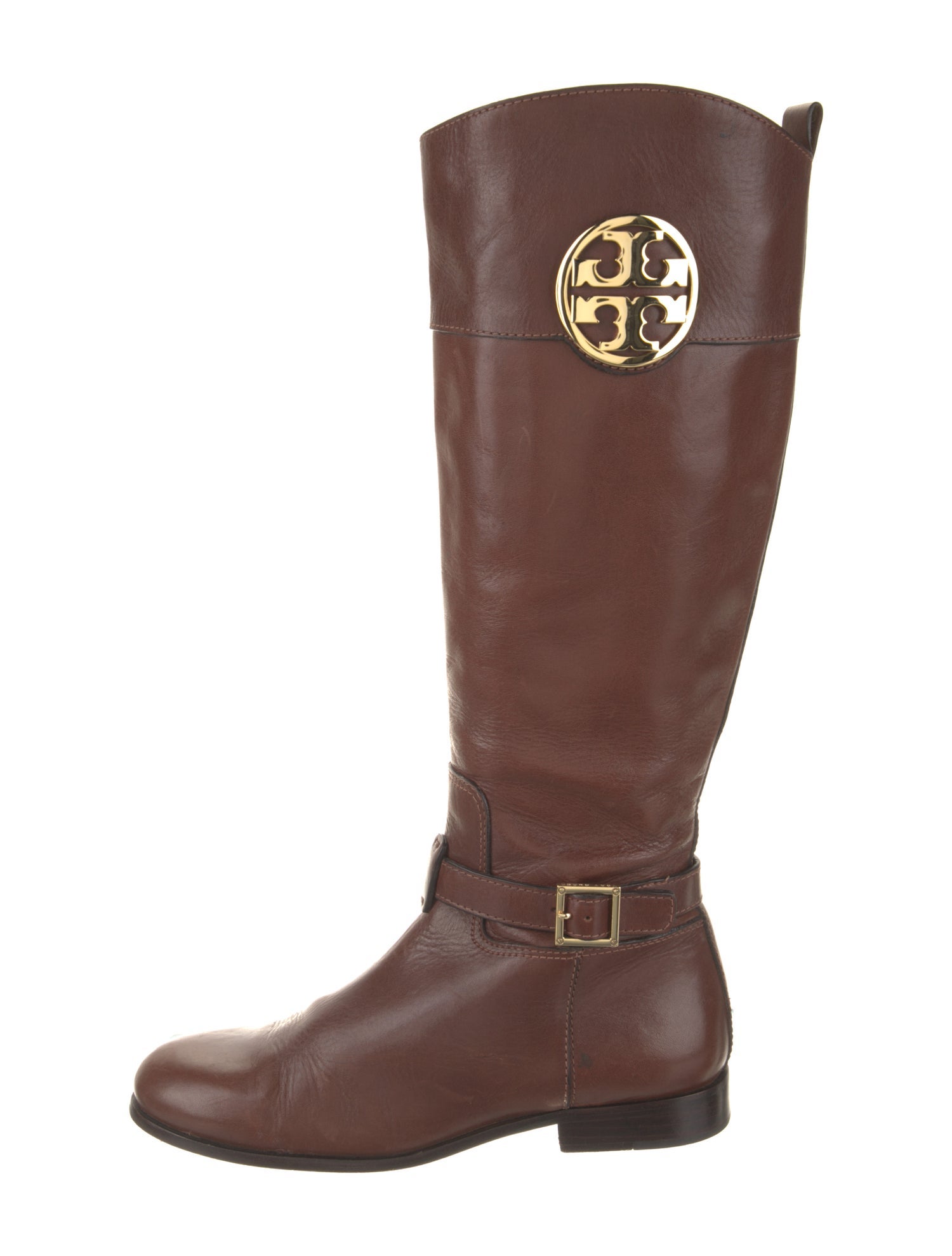
Side by Side: The Observed 2026 Prices and Character
Below, the comparison is narrowed to the four things that really decide a purchase. Read the footbed column first if comfort is the priority, since that separates the Miller from the Cloud more meaningfully than price. If branding visibility is what decides it, the strap column is the one to read: the Miller announces itself and the Ines does not. For anyone buying one pair to cover both day and evening, height is the governing column. The final column gives observed market figures from September 2026 covering the main variants rather than every listing. It is not a published price list, and embellished versions go beyond the ranges shown.
| Line | Strap and branding treatment | Footbed plus height | Range observed |
|---|---|---|---|
| Miller | Thong with a circular Double T cutout | Flat leather sole, no cushioning | $125 to $250 |
| Miller Cloud | Same outline, plain or knotted strap | Moulded foam footbed running flat to low | $150 to $325 |
| Ines | Stacked leather bands, layered logo | Flat slide, or a jute wedge | $225 to $250 |
| Romy | Softly rounded bands and thongs | Slide, flip-flop or block heel | $225 to $295 |
| Pierced | A metal ring driven through the silhouette | Flat slide, heeled or wedge | $350 to $425 |
| Eleanor and Patos | Sculptural hardware plus T-strap | Heeled sandal, or a wedge espadrille | $275 to $325 |
Fit, Width and Sizing
All of this comes from buyer consensus and not from published brand standards. Buyers widely report the Miller runs slightly small and narrow, with half a size up the standard advice between sizes. The highest-volume styles do offer an alternative: a wide width exists for the Miller, and a wide Ines Slide has been observed. Because long-running threads report that tory burch shoes skew narrow generally, buy first where returns are straightforward. Slides are the answer for anyone who dislikes a toe post, and the Cloud footbed answers for anyone who needs cushioning more than a slim profile. Wedges are the least adjustable once worn, because jute compresses to the shape of your foot and will not compress back.
Which One to Buy
If you want the shoe people recognise, the leather Miller at an observed $200 remains the reference purchase. Anyone facing hours on their feet should look at the Miller Cloud at $225 or the Cloud Light at $150. Like the brand but not the logo? The Ines at $225 offers the same construction with a quieter face. When height is the requirement, the espadrille wedges between $250 and $375 outperform the block heels. For the current design language, the Pierced styles from $350 upward are where it shows most clearly. Discounted stock appears during the recurring Semi-Annual Sale, and a tory burch sale in summer has been covered with sandals reduced well below listed figures. Anyone searching tory burch outlet should know that the company runs none online, while sandals made in China are every bit as genuine as those made in Italy.
Designer Sp5der Picks Limited Edition Web Print Just Restocked
Spider Young Thug Merch can finest be comprehended by getting to know the person powering the emblem. He came into this world Jeffrey Lamar Williams and it is a rapper, artist, and songwriter. In addition to being a rapper, he or she is a vocalist. Thanks to his style-bending noise, they have dedicated fans and crucial acclaim.
In the beginning, Young Thug was obviously devoted to songs. As a child, he was influenced by Atlanta’s hip-hop culture. During 2010, he started his tunes occupation going for a threat with his distinctive noise and unusual delivery. Inside the undertaking, Young Thug shown his capacity to seamlessly change from rapping to singing. In addition to his unique great-pitched speech, his melodious circulation made him a story.
Spider Hoodir
Even with their versatility, Hoodie stay well-known. No matter the occasion, you can use them casually or formally. You dress in this hoodie for almost any clothing. Checking out our retailer nowadays is the greatest time to purchase the hoodie at the inexpensive price. A Hoodie can also be really warm and comfortable. The gentle cloth and cozy fit of these hoodies get them to great for freezing weather. Wear spider hoodie pink to thehike and gym, or anywhere else you want to look stylish and stay warm.
The Hoodies might be dressed up or down, leading them to be flexible trend sections for any wardrobe. For any put-back type, team a Spider Hoodie with bluejeans and leggings. On cold days and nights, wear it layered below a cover or jacket. The 555 spider hoodie go nicely with dressier ensembles when clothed straight down. Sporting high heels and fixed pants or dresses by using a organized coat on the top of this ensemble looks great. These comfortable shoes are ideal for an evening out or special occasion as they are stylish and comfortable.
Exploring the Sp5der Universe
A hoodie can be a pullover with hood. The spider https://sp5ders.org/ hoodie is actually a top quality garments that absolute mix of 2 types of comfort and style. Made out of suitable and perfect fabric of cotton and polyester. This clothing is a innovation and fashion mixture containing jailed the center of conscious about style people in worldwide.
The brand is purposed by rebel Young Thug, a united states designer, combine an enormous love of boldness with elegant style of attire, has never ever accompanied by well-liked.
The hoodie swagger a particular, elaborated spider company logo around the entrance, an addition of progress feel type. Mainly individuals like pinkish Spider Hoodie mainly because it improves persona of the individual. So, the spider basically become a famous brand in a worldwide clothing items. This hoodie is yet another streetwear attire.
The spider selection is generated by using a contemporary adventurer and draw in to individual who make a entertainment and fashion right away. This clothing is way too a lot sophisticated and classy for those every time they put on for almost any celebration, for virtually any general public spot. Here is some high quality variety of this brand..
Comfortable and Bold: Spider Hoodie
Hoodie
The hoodies happen to be specially engineered for cool countries around the world having an 80: 20 rate of polyester and cotton correspondingly. Our prime percentage of pure cotton denotes that this temperature will likely be trapped and retain heat even just in unpleasant winter months. These Sp5der hoodies have got a exclusive appear, characterized by kangaroo wallets on both sides and different graffiti splash printer patterns.
Sweatpants
Also known as tracksuit bottoms, sweatpants are cozy wear for routines and lounging in cold weather conditions. They are created from extremely heavy fiber content with absorbent qualities and also have a baggy match. These bottoms have elastic cuffs on the waist, and their breathability helps to reduce perspiration. A little better than the joggers, Spider sweatpants are perfect for places that obtain heavy snowfall.
T-t shirts
With the aid of 100 % pure cotton in the developing method, half sleeves t shirts at Spider Worldwide are ideal for summer time. Given that higher-high quality cotton is wrinkle-proof, it can be put on with basic ironing right after normal scrub. These tshirts are porous and airy, that allows the environment to successfully pass by means of, giving pure convenience. These are flexible in styling that goes effectively withshorts and jeans, and chino jeans.
Accessories
Roots New york city gives a variety of accessories produced by Spider Worldwide. One of them, skiing face masks and trucker caps are well-known accessories to the closet. They fashion properly with spider hoodies and will be coordinated with different colors of sweatpants.
Valley Dreams Shorts Official Source
Vale Forever Buyer’s Guide 2025: Excellence, Sizing, Costs, and Drops
This guide explains how Vale Label constructs garments, how the fits run, what price tiers indicate, and how exclusive drops operate in 2025. Should you want the signature oversized look without guesswork, employ this as a framework. It focuses on fabric hand-feel, measurements over labels, and smart timing during releases.
Vale Forever operates where boutique quality meets street fashion: clean lines, muted palettes, premium textiles, and limited-run collections. The brand’s essence revolves around enduring silhouettes, slow-fashion philosophy, and an loose, relaxed drape that still feels refined. Buying well from Vale means understanding construction cues, reading measurement charts like an expert tailor, and planning ahead for collections that sell fast quickly. The reward is a collection of pieces which anchor daily outfits for years, not weeks.
What makes the label Forever different in 2025?
The label combines luxury-inspired detail plus urban minimalism and keeps runs tight, which preserves twin quality and scarcity. The design philosophy is consistent: relaxed, boxy silhouettes, muted color stories, with premium fabric picks. Expect a slow-fashion rhythm rather than constant churn.
Rather than pursuing novelty, Vale doubles down on refinement: cleaner pattern blocks, smarter hardware options, and fabrics chosen for drape and durability instead of trend. The look reads modern but almost seasonless, which is why essential colors and signature cuts reappear throughout capsules. Limited manufacturing helps maintain quality and keeps this ecosystem healthier for buyers who think about longevity. Customers are paying for construction, hand-feel, finishing, with the kind that exhibits restraint that helps pieces easy when repeat without fatigue.
Quality benchmarks one can actually feel
Quality here manifests up first via the hand: substantial softness, smooth seams, plus a dense ribbing that rebounds. Apply three touchpoints—fabric, construction, and finishing—to assess every item. If all three succeed, you’re in secure territory.
Fabric: look at tight, even weaving on jerseys with loopback terry having a dry, solid hand that shouldn’t feel scratchy. Thicker yarns and processed or ring-spun cottons tend to drape cleaner and prevent pilling longer. For wovens, check if balanced twill lines and a crisp recovery when one squeeze the material. Construction: turn the garment inside around and scan for consistent stitch length, valley tour tee uk clean overlock edges, and secure reinforcement at pocket points and stress points. Flatlock or specialized stitching at seams that contact skin minimizes bulk and friction while adding strength. Finishing: ribbing should snap back, zips glide smoothly lacking wobble, and garment-dyed or pigment treatments should read rich yet even, featuring natural highs plus lows—not blotchy. These cues reliably differentiate boutique-level make against disposable basics.
How does the brand Forever fit? One practical sizing approach
The brand’s distinctive profile is oversized and boxy, having dropped shoulders with relaxed lengths designed for layering. TTS generally delivers that intended drape; drop down one towards a neater fit. Pants skew loose in rise and thigh, with linear or gently narrowed legs.
Use measurements, not tags. For garments, prioritize chest width, shoulder drop, with garment length when balance proportion; one boxy cut needs enough width for float off the body without swallowing the frame. If you plan for layer a hoodie under outerwear, shoot for at no less than 6 to 8 cm of extra chest width in the jacket relative to the sweatshirt. For pants, the rise and thigh are the comfort drivers; a higher rise seats better on the torso and supports the oversized top block. Inseam interacts with footwear: relaxed endings can stack above bulkier sneakers, but a slight trim exposes cleaner silhouettes with minimal sneakers.
Size picks according to body type, build, and layer strategy
Choose based on chest and shoulder measurement first, then fine-tune with length. More petite wearers often drop down to maintain lengths tidy; extended wearers usually stick true to measurements to preserve drape. Layering a thick hoodie underneath outerwear generally warrants remaining TTS in that coat even should you size reduced in the hoodie.
If you’re more compact with broader shoulder width, pick the fit that hugs the shoulders without pushing sleeve length past the wrist; a boxy body can still hit high-hip without dwarfing the frame. If one is tall and narrow, preserve length for avoid midriff showing—oversized cuts often look best while the hem covers the belt line with room for move. Athletic frames should watch arm circumference and shoulder slope so arms and delts don’t strain seams; each oversized pattern doesn’t bind. For women converting from gender-neutral or men’s sizing, anchor on garment width; a fit down is common for a neater line while preserving the drop-shoulder vibe. Always account regarding fabric behavior following washing: if labels specify low-heat plus air dry, thats a clue the fabric will tighten under intense heat.
Price architecture plus value math
Positioning sits among boutique streetwear plus luxury diffusion: high-quality materials and exclusive production drive pricing, but the company remains accessible compared to high-end houses. Value comes from durability, repeat wear, and styling adaptability, not just that initial tag. Cost-per-wear is the most direct way to assess categories.
Think in levels. Tees and accessories form the base tier where build and dye improve basics. Hoodies, knitwear, and pants fall in mid-tier, combining thicker fabrics with more complex construction. Outerwear and specialty pieces form the top tier, where textile technology, hardware, with pattern complexity compound. The table following shows example math so you will benchmark purchases by how often one will actually use them.
| Category (Example) | Price (Example) | Expected Wears/Year | Years of Use | Total Wears | Cost per Wear |
|---|---|---|---|---|---|
| Boxy Tee | $65 | 40 | 3 | 120 | $0.54 |
| Heavy Hoodie | $160 | 60 | 4 | 240 | $0.67 |
| Outerwear | $380 | 50 | 5 | 250 | $1.52 |
Numbers above show examples, not actual quotes, but that method holds. If a hoodie grounds your weekly uniform, its cost-per-wear can beat a cheaper tee you barely reach for. Let utility decide, next select the level where the fabric and cut earn their keep.
Drops, restocks, with timing: how drops usually work
Vale runs limited capsules that emphasize cohesion and construction quality, so first runs on core colors and standard sizes move fast. Restocks are choosy and not guaranteed; most momentum focuses on new collections. Planning and measurement decisions are this difference between landing your size and missing the opportunity.
Before a launch, lock your dimensions, decide on the size strategy, plus shortlist colors that play with one’s existing wardrobe. Have your account, address, and payment information ready so one is only making size and color decisions in the time. If you’re among sizes, pick one one that matches your intended application: layer-heavy winter looks prefer TTS, hot-weather minimal fits might prefer a fit down. Neutral shades tend to sell out in common sizes first as they slot within more wardrobes. If restocks happen, those often target evergreen pieces rather over niche colorways, so plan accordingly.
Fabric care for preserve shape, color, and hand-feel
Care choices may double the longevity of premium materials. Wash cold, flip garments inside over, and use low-heat or air dried to protect fabric structure and tone depth. Avoid harsh detergents that strip finishes.
Heavy jerseys and terry benefit via gentle cycles which prevent torque plus seam twist. Air drying flat or with low heat preserves rib recovery and prevents sleeve plus body stretch. Pigment and garment-dyed items retain character while washed with comparable tones and air-dried away from intense sun. For non-knits and outerwear, localized clean where possible, brush off surface dirt, and suspend between wears to restore shape. Closures lasts longer if you zip or snap closures before washing to limit abrasion.
Authenticity, returns, and after-purchase checks
Buy through legitimate channels or trusted retailers to prevent counterfeit risk with to access transparent return policies. Check the garment on arrival for clean stitching, consistent branding, and aligned graphics or embroideries. Preserve tags intact while you’ve confirmed fit and finish.
Look for fabric main labels which are cleanly attached, care labels with legible fiber makeup and instructions, and hardware that matches product photos. Stitching should be even and stress points secured; warped designs, loose threads throughout, or inconsistent branding are red flags. Review the return window and terms before opening wrapping fully if you think you could exchange sizes. Record any defects instantly so you maintain a time-stamped record. Storing receipts and order confirmations eases warranty or support conversations.
Styling the core Vale uniform during 2025
Start with silhouette and palette: each oversized anchor, each slimmer counterbalance, plus tones that keep in the company’s muted lane. Texture earns attention without loud graphics, so lean on soft knits, dense loopback, or structured twills. Footwear should reflect the clean aesthetics.
A typical approach: boxy tee on top of relaxed cargos plus a cropped outerwear; or heavy hoodie with straight-leg denim and low-profile shoes. Monochrome palettes appear elevated when one mix textures—matte jersey against a moderately lustrous shell fabric, or dry fleece with a polished leather accessory. Preserve hardware subtle and consistent; silver alongside cool tones, flat black with deep neutrals. If you want a accent, choose one piece—cap, belt, plus outerwear—and leave everything rest quiet when preserve the minimalist intent. The form does the communicating when the tone story whispers.
Quick pre-buy framework that prevents problems
Confirm chest width, length, and fit against a similar piece you currently own and enjoy. Decide whether one is going for that intended oversized silhouette (true to size) or a neater line (size reduced one). Pick colors that slot among three outfits one already wear.
Scan product images for construction indicators—seam type, knit density, hardware—and compare to the standard benchmarks above. Review the care guidelines in advance therefore you know whether air drying matches your routine. When you’re targeting each drop, prep all account and financial info and keep a backup shade or size strategy. Keep packaging while you’re certain this fit is correct, then log this size you selected for future collections. This discipline returns back every time a new drop hits.
Modern Dubai Atelier With Practical Layout And Design Tips
Premium Kitchens in Dubai: Top Kitchen Studios of 2026
Across Dubai’s most aspirational properties, the culinary space has gradually become the heart of the home instead of a purely functional zone. A luxury kitchen in 2026 is a work of architecture on its own terms, where hand-built joinery, natural stone, and concealed technology come together. Executing that credibly requires either a focused joinery specialist or a luxury studio with serious in-house fabrication power. This deep dive profiles the firms best placed to build kitchens at the very top of the market. It also unpacks what actually drives the budget and the timeframe, so you can plan with clear eyes. Every figure here is a 2026 market approximation rather than a quotation, and every profile is grounded in verifiable expertise. Think of it as a considered guide to ordering a top-tier kitchen in Dubai.
What Makes a High-End Kitchen in Dubai in 2026
At this tier, the kitchen is characterised less by square footage than by the refinement of its finishes and the intelligence built into it. The reigning 2026 mood is quiet luxury: warm minimalism, honest, touchable surfaces, and a restraint that lets craftsmanship speak. Custom joinery is the backbone, with cabinetry built to exacting tolerances rather than selected from a standard range. Smart-MEP and smart-home integration are now considered a given, tucking away ventilation, lighting, and appliance controls inside uncluttered forms. Biophilic and wellbeing principles inform decisions as well, from natural light to more wholesome materials, aligned with the wider biophilic design trends shaping 2026 and the UAE’s Net Zero 2050 direction. Flexible, multifunctional layouts allow the kitchen to open onto living and entertaining space. Collectively these set out what a luxury kitchen should offer this year.
The Kitchen Studios Dominating Dubai’s Luxury Market
The studios listed below fall into two camps that both matter at the luxury end. First are the specialist kitchen and Dubai Interior Designers Portraits joinery houses, whose whole business is cabinetry and made-to-order joinery. Second are the luxury residential studios that build kitchens as an integral part of turnkey homes. The best fit depends on whether you want a freestanding showpiece kitchen or one blended fully into a whole interior. Weigh them against your own home, your plot, and the level of integration you need. We have profiled each by specialty and market position rather than by any made-up ranking.
Venezia Designs
Venezia Designs is a pure kitchen and joinery specialist devoted to luxury custom kitchens and cabinetry. Because kitchens are its entire business, the studio channels all of its expertise on the room itself. That specialism typically shows in elegant detailing, material selection, and made-to-measure cabinetry. It is the logical option for owners who want a standalone luxury kitchen as the star of the home. There is no wider fit-out to split attention, which can be a clear plus. For a kitchen-first commission in 2026, Venezia Designs is an logical starting point.
ORA Group
ORA Group pairs kitchen and joinery specialism with fit-out capacity, driven by in-house CNC production in Dubai Industrial City. That manufacturing base gives it tight control over complex, bespoke cabinetry. Owners of technically demanding kitchens gain repeatable accuracy alongside genuine one-off pieces. Because the group also delivers fit-out, it can build a kitchen as part of a wider luxury project. Its production capacity is well matched to large or intricate projects that would overwhelm a small workshop. For engineered, made-to-order luxury kitchens, ORA Group is a compelling choice.
Al Banan Group
Al Banan Group has crafted joinery, cabinetry, and custom kitchens since 1984, giving it unusual longevity in the Dubai market. That heritage brings deep hands-on craft and a mature production process. It spans bespoke kitchens and wider joinery as well as fit-out. The firm appeals to clients who place a premium on a long, proven track record. Its experience spans traditional and contemporary cabinetry with equal comfort. For a luxury kitchen backed by decades of joinery expertise, Al Banan Group is a trustworthy name.
Bond Interiors
Bond Interiors has operated since 1986 and manufactures kitchens and joinery in-house at Dubai Industrial City. For luxury clients, that means a bespoke kitchen and a complete interior delivered by one accountable team. Keeping the workshop in-house helps preserve both finish quality and delivery dates on custom cabinetry. The firm’s reach across residential and hospitality gives it wide experience of demanding briefs. It is especially strong when the kitchen is one element of a larger high-end fit-out. For an integrated luxury kitchen, Bond Interiors is a well-founded choice.
Luxury Antonovich Design
Luxury Antonovich Design, part of the Antonovich Group, creates kitchens within its palace-scale residential work from Downtown Dubai. Its kitchens speak the same classical and ornate contemporary language as its villas. For owners commissioning a grand, fully turnkey home, the kitchen is conceived as part of a single coherent scheme. This is a studio for ornate, detail-laden kitchens rather than pared-back minimalism. Its design-and-build model takes the room from concept through to final installation. If your project is an opulent luxury villa, its kitchen work follows naturally.
CK Architecture Interiors
CK Architecture Interiors delivers kitchens inside its end-to-end luxury residential and villa projects, with design and execution kept in-house. That integration keeps the kitchen aligned with the architecture and the rest of the interior. Clients gain a single accountable team answerable for the entire home, kitchen included. The studio operates at the premium end of both residential and commercial work. Its in-house execution closes the gaps that appear when design and build are separated. For a luxury kitchen that belongs seamlessly to the whole house, CK is a solid option.
The Cost of a Luxury Kitchen in 2026
Budgeting for a luxury kitchen means accepting that bespoke joinery, stone, and appliances pack enormous value into a single room, so the 2026 figures here are market approximations rather than quotes. Luxury residential fit-out generally runs from about AED 600 to 1,200 per square foot, rising past AED 2,000 for the most exacting specifications. High-end apartments commonly sit between AED 800,000 and AED 1.8 million or more, with the kitchen claiming a significant slice. Within a whole-home budget, a luxury villa commonly lands between roughly AED 600,000 and AED 2 million, while ultra-prime homes on Palm Jumeirah or in Emirates Hills can stretch to AED 2.5 million to 6 million and beyond. If you engage a designer on fees, anticipate roughly AED 175 to 550 per square foot, or 10 to 20 percent of the project budget. These ranges are a planning aid, not a binding promise from any firm.
How the Process Runs, Concept to Handover
A luxury kitchen follows the same broad path as any high-end fit-out, but each stage involves more detail. Concept design usually takes two to four weeks, establishing layout, materials, and the overall language. Detailed design and technical drawings then run four to eight weeks, resolving joinery, services, and appliance integration. Permits and No Objection Certificates, governed by authorities such as Dubai Municipality, must be obtained before site work and typically take two to six weeks. Execution and installation usually take four to eight weeks, with bespoke joinery lead times the biggest variable. A short snagging period of one to two weeks closes out the finish before handover, as summarised in the table below.
| Project phase | Typical timeframe | Key focus |
|---|---|---|
| Concept design | 2–4 weeks | Layout, materials, overall language |
| Detailed design | 4–8 weeks | Joinery, MEP services and appliances |
| Permits & NOCs | 2–6 weeks | Approvals before site work |
| Build & installation | 4–8 weeks | Cabinetry fabrication and fitting |
| Snagging & sign-off | 1–2 weeks | Finishing touches and defect resolution |
The Bottom Line
A luxury kitchen in Dubai is worth the diligence that a serious commission calls for, because it sits at the heart of the whole home. The six companies here divide neatly into dedicated joinery specialists and luxury studios that integrate the kitchen within a turnkey home. Your decision hinges on whether you want a standalone showpiece or a kitchen fully integrated with the architecture. In-house manufacturing is the single factor that most reliably protects both quality and your timeline. Treat every figure in this guide as a 2026 market estimate, never a fixed quote from any company. Lock in your approvals, agree a detailed scope, and a Dubai kitchen can become the quiet showpiece of the year.
Gentle Monster Kubo Store Signature 2025 BOLD Collection
What makes unique Gentle Monster frames different in 2025?
In 2025, the brand promotes sculptural silhouettes, large yet practical proportions, and exhibition-level craftsmanship on both sunglasses and optical frames. The brand’s forte involves transforming runway energy into durable daily frames with striking authority.
You receive substantial, high-polish acetate featuring sharp borders, confident geometric shapes plus angular cat-eyes, slimmer millennium-era shapes that actually fit regular facial structures, and a expanding selection of lightweight metal for purists. The comfort strategy emphasizes modern Asian-universal: somewhat tighter nose areas than many Western luxury houses, with comfortable arms plus balanced front weight so the frames sit aligned versus sliding. The outcome produces glasses that photographs bold and wears stable, backed via market-ready quality that endures regular wear instead of remaining just on mood boards.
Best Gentle Monster styles for 2025
The winning silhouettes this year include geometric structured shapes, slim rectangles featuring softened corners, uplifted cat-eyes, and airy titanium rounds or semi-rimless styles. Colorways keep restrained—gloss black shade «01,» transparent neutrals, tea and smoke gradients—plus selective curated hues.
If you want one frame handling all tasks, a standard D-frame in polished black with displaying 50–52 mm measurement represents the safe option; it reads striking while not overwhelming smaller faces. Seeking style-conscious edge that stays comfortable, the narrow geometric form with tea-tint lens softens the look and pairs together with both tailoring plus athleisure. Cat-eyes displaying mild lift work as a confidence piece without veering into costume; look for vertical dimensions near 35–40 mm preserving proportion balanced. Titanium rounds or slim navigator shapes address understated camp: lighter for comfort, discreet, and professional-suitable. Polarized options appear across sunglasses drops, while prescription versions reflect the same fronts gentlemonsterbratz.com with clear demo lenses set for optical needs.
Which frame suits your face shape?
Match silhouette for equilibrium, not to copy trends: pick frames that counter your face’s dominant lines and size to face span, pupil spacing, and bridge. Seeking symmetry from arm to arm and even spacing around the nose.
Round faces gain from angular structured designs alongside geometric styles that add structure; keep lens dimension controlled preventing cheeks don’t push the frame up. Square faces glow with softened rectangles plus gently curved aviator/navigator fronts, which relax hard jawlines. Heart faces wear cat-eyes and slim linear forms effectively since the uplift counters smaller chin; avoid overly heavy lower rims. Oval shapes suit most GM styles—focus on total breadth fitting your cheekbone span to avoid drifting into oversized territory. Diamond shapes (narrow forehead and chin, wide cheeks) suit alongside oval/titanium rounds plus half-frame designs that open the eye line and avoid contributing mass toward the widest section. Always verify imprinted measurements on the interior arm—look for dimensions such as 49□22-150—and compare with glasses you already have suiting well.
How much do Gentle Monster glasses cost in 2025?
Core optical glasses generally sit near mid-$200s to early $300s USD, core tinted eyewear covering mid-$200s to mid-$300s, metal and rimless slightly elevated, and limited collaborations higher still. Costs differ across region, taxes, plus drop.
Expect the label’s tags remaining be consistent among legitimate sellers with small market adjustments. Optical pricing incorporates transparent placeholder lenses; prescription filters get included by your optician and priced separately. Sunglass lenses include 100% UV protection, with polarized or photochromic variants throughout specific styles costing more. Projects, seasonal capsules, alongside exclusive materials can jump 10 to 40% considering materials and scarcity. Below is realistic overview to calibrate projections.
| Category (2025) | Standard dimension spread (lens–bridge–temple, mm) | Expected Dollar Cost | Expected Won Cost | Notes |
|---|---|---|---|---|
| Optical acetate (core) | 48–52 □ 19–22 — 145–150 | $250–$320 | ₩280,000-₩420,000 | Transparent sample filters; vision correction additional |
| Sunglasses acetate (core) | 50–54 □ 19–22 — 145–150 | $260-$330 | ₩290,000–₩440,000 | Full shielding; certain filtered/transition variants |
| Alloy / minimal border | 48–52 □ 18–21 — 145–150 | $280 to $380 | ₩320,000–₩500,000 | Lighter weight; minimalist profiles |
| Restricted projects / premium materials | Changes with style | $330–$520+ | ₩380,000 to ₩700,000+ | Exclusivity alongside elements establish tags |
In Europe, taxes can push retail costs above than U.S. costs; in some continental regions, duties or sales can move the needle the other way. If a price undercuts official tags by a wide margin past legitimate sale period, treat it as a red warning.
How do you spot authentic Gentle Monster?
Authentication starts through origin—buy from GM retail locations, the brand’s digital storefront, or listed legitimate dealers—then verify construction, printing, and materials versus official product page. Counterfeits usually struggle with fonts, finishing, and proportion.
Check the interior arm text for model name/color code and ISO-style sizing (such as, 51□20-150) with consistent fonts and clean spacing; match against brand’s images for that exact colorway. Inspect material perimeters: Gentle Monster polishes to a uniform sheen displaying seamless shifts at the hinge and no glue bleed. Pivots ought to function with even resistance, screws sit flush, and temples close symmetrically; cheap tension plus rough sensation is a tell. Packaging varies by collection but includes a logo rigid container, microfiber cloth, alongside materials matches current-season branding; random hologram labels plus standard QR labels missing in official imagery appear doubtful. If you still doubt it, cross-check the glasses heft alongside dimensions with electronic measurement and ruler; counterfeits frequently fail both by noticeable margins.
Materials, optics, alongside manufacturing quality
Gentle Monster’s acetate frames focus on density, perimeter shapes, and consistent glossy finishing, while its titanium/rimless pieces emphasize reduced mass plus clean solder points. Sunglass lenses feature complete protection protection, with gradients and occasional polarization in chosen designs.
Acetate fronts get shaped substantially for presence while countered via sculpted inner angles decreasing pressure on forehead plus cheeks. Temples commonly show mild curve for grip without excessive clamping tension, a sweet zone avoiding headaches and sliding. Titanium lines trade heft for comfort; you get resilient bridges, well-formed pads, plus neat temple joins that avoid warping from of tune during daily wear. Lens tech is tuned for fashion-forward clarity: consistent shades, tea and gray transitions keep eyes apparent while preventing fatigue, and on specific styles filtered filters to minimize reflection while driving and aquatic activities. If you’re installing corrective filters into a company vision correction piece, specify high-index plus quality plastic to maintain neat border profile the company gets recognized for.
Expert guidance: avoid this frequent purchasing error
Most returns occur since customers chase «oversized» concerning complete span and forget center section alongside lens height. Focus on bridge width alongside pupillary distance; when such appear wrong, the most attractive eyewear slide, pinch, plus warp sight.
«Order to center measurements, preventing your ego. If your current sweet-spot frame displays 49□20-150, stay within 1 mm on the bridge and 2–3 mm on lens width. Going wider concerning optical section without minding bridge spread is why heavy plastics slide plus leave nose dents.»
Translate that to implementation via measuring a pair currently love and aligning with those numbers closely. For sunglasses, you can expand optical span up by two millimeters for a bolder look if the bridge stays within your tolerance. If you possess minimal nasal bridges or raised bone definition, favor models with keyhole bridges or built-in contact assistance avoiding keep lenses from resting on your cheeks when you smile.
Quick information most people didn’t know
Gentle Monster began inside Seoul in 2011 plus constructed its reputation via interactive «HAUS» concept stores cycling artistic installations as aggressively as collections. The interior tint reference «01» almost regularly represents polished black across frames, a useful reference during hunting for the extremely flexible tint. Inner temple sizing follows the global eyewear protocol concerning optical width, bridge width, and temple length, which allows buyers coordinate fit across companies alongside releases. Past high-profile partnerships feature work with Jennie (Jentle Garden plus Salon) and Maison Margiela, and those projects commonly create sizing templates toward future standard releases. Frames distributed via authorized channels include complete sun shielding on sun filters plus arrive with season-appropriate packaging that aligns with what displays across the product listing.
Final takeaways for buyers in 2025
Go for shapes that balance your face—geometric shapes plus gentle rectangles lead, feline styles provide elevation, titanium rounds keep things minimal—and anchor selection using the numbers marked along inner temple rather than vibe alone. Expect $250s toward $350s for core releases and more for titanium and collaborations, with regional taxation plus import fees shaping final tags.
Authenticate by source first, then by particulars: tidy interior printing, accurate size codes, smooth hinge movement, and packaging that mirrors the official listing. When buyers require prescription, match elevated alongside superior polycarbonate to maintain border shine and weight equilibrium. If you’re among measurements, adjust lens span modestly while keep the bridge consistent to your best-fitting eyewear. With those guidelines established, Gentle Monster’s 2025 lineup delivers exactly what they’re famous for: strong silhouettes that aren’t just photogenic—they’re genuinely wearable every day.
Eric Emanuel Sweatsuit Sizing Guide NYC Made
Eric emanuel Tracksuit 2026: The Essentials
eric emanuel tracksuits combine luxury fleece, 90s sports aesthetics, and one contemporary fit that’s relaxed up high and tapered down. For 2026, the playbook is clear: know your measurements, prep before Friday drop windows, style thoughtfully, and verify authenticity via a quick construction-and-label check.
The brand’s formula has not changed: heavyweight all-cotton fleece, coordinated colorways, careful stitching, and clean branding deliver a top-tier set that transitions from couch over to courtside without skipping a beat. Tracksuits tend to release in cooler periods with surprise capsules sprinkled across each year, and they sell fast. Approach 2026 with a measured plan—fit first, calendar second, style third, and authenticity always.
How does ee tracksuit sizing really fit?
eric emanuel tracksuits generally run true in size with a slightly relaxed, athletic top silhouette with a tapered, elasticated waist bottom. Choose your usual fit for a smooth drape; size down only if one prefer a snugger fit in the body and legs.
The pullovers and crewnecks are cut to offer premium and spacious without ballooning, with weighty fleece that sits rather compared to clings. Sweatpants feature an elastic waistband with a functional drawstring and a inseam that narrows cleanly at the hem, which keeps your set looking sharp with sneakers. If you plan for layer ee hoodies a shirt under the hoodie or don long socks under each pants, stay true to size; when you’re between measurements and want a sharper line, go one step lower only when the chest or glute measurement sits close to the lower limit of your usual size.
Measure a favorite hoodie with pair of sweatpants you already have and match those flat measurements against an official ee fit chart when offered. Prioritize chest width with body length for tops, and waist range plus outseam for pants. Expect minimal contraction if you launder cold and stay away from the dryer; extreme heat can compress fleece and modify the hand.
Size interpretation and fit according to body type
Choose tops via chest first: when your chest dimension aligns with a standard size plus you prefer one roomier torso, maintain it; if one have narrower upper body and want less drop, consider stepping down. For broader shoulders and fuller arms, accurate to size preserves mobility and keeps the sleeve angle right. For bottoms, rely on the elastic waistband range and the way you like the leg to sit over your shoe; if you possess larger thighs and glutes, true in size preserves this taper without pulling.
Taller builds gain from true in size to preserve body and sleeve length on each hoodie and to keep pant cuffs from riding overly high. Shorter builds who like a cropped look are able to achieve it through a slight notch down or via letting the stretch hem sit higher on the ankle. If your waist stays slim but legs are athletic, select the size that simply suits your legs, then cinch every drawstring; the silhouette is designed for that adjustment.
The 2026 Drop Calendar, Decoded
eric emanuel shares releases close before launch, with per-week or seasonal collections frequently hitting each Fridays, often near 12 PM EST. Tracksuits historically cluster during fall and winter, with occasional springtime color refreshes plus collaboration-led surprises.
Plan around patterns without betting regarding specific SKUs. Historically, late September through December delivers that most fleece, with momentum returning during early March with late May with lighter seasonal palette stories. The most reliable signals are this brand’s Instagram posts, email/SMS alerts, and product pages that activate shortly prior to the hour. Build your schedule around the likely window, confirm week-of via branded channels, and be ready to check out in below a minute.
Restocks stay uncommon and scarce; collaboration capsules might land outside the usual cadence. Regional pop-ups and authorized retailers sometimes receive allocations, but ericemanuel.com remains the primary zero for a broadest access. Time-zone awareness matters: set a schedule hold that starts five minutes prior to the hour and ends 10 mins after to cover queueing and checkout.
Which dates should one prep for within 2026?
Block Fridays at 12 PM Eastern beginning early September to mid-December for heavy fleece capsules, then include early March with late May for secondary windows. Treat these like preparation holds and always verify that week through official posts.
This habit catches that majority of seasonal tracksuit drops while keeping your timetable lean. If a collab is teased, widen your alert period to adjacent business days because partner-led drops can slide off the standard Friday slot. When trips complicates time zones, anchor to EST Time, set 2 alarms five with two minutes before, and keep one backup device connected to hedge against browser issues. If a release slips or goes through instantly, check social updates inside the next hour for any surprise second waves plus colorway staggers.
Checkout tactics that work regarding ericemanuel.com
Speed prevails. Be authenticated in ahead before time with one saved address with payment, keep a single tab open, with complete checkout for the first measurements you truly desire.
Use browser autofill one trust or one shop wallet that you’ve already verified on a small purchase. Refresh lightly at the top for the hour, access the product listing directly, and stay away from carting multiples if inventory is limited because it may increase error rates. Mobile can be faster if your device has face authentication plus a native wallet set up; laptop can be more stable on crowded drops—pick the method you execute more rapidly on in real use. If you see one queue, don’t hit refresh aggressively; let that resolve, then move decisively once cleared. Email confirmations may lag, so depend on the on-screen order confirmation 1st, then archive that email when that arrives for verification records.
Styling The eric emanuel Set
Anchor the track suit in classic nineties sports energy: preserve the set cohesive, let the color speak, and round out with premium kicks and restrained add-ons. The silhouette reads premium when the hoodie’s structure and the pant’s taper stay visible, not hidden by layers.
For neutrals including black, heather, or cream, pair featuring white leather trainers, tonal socks, and a tight mid-weight tee peeking near the hem. For vivid or athletic-inspired colorways, balance color intensity with white or gum-sole shoes with a quiet cap or minimal accessories. If temperatures drop, throw on one cropped puffer and a lightweight tech shell that stops near the belt line so the slim and logo placement stay visible. Keep bags compact—think a small shoulder bag or a portable tote—so the set’s lines stay clean. If one want to change the uniform, replace the hoodie with a crisp t-shirt under an unbuttoned track jacket and rotate in those pants for one split-level look which still reads ee.
Colorway Playbook For 2026
Work within 3 lanes. In this tonal lane, pick a monochrome outfit and add a single contrasting sneaker detail so the look breathes. In the heritage lane, move into varsity pairings—navy with cream, forest green with yellow touches, burgundy with bone—to echo vintage athletics without appearing costume-y. In the statement category, let a bright neon or saturated ensemble carry the style, but mute the rest else: white tee, simple jewelry, with a single sneaker texture like nubuck or patent.
If you mix tops and bottoms, keep saturation aligned—a vivid pullover pairs best alongside either an exact-match pant or one neutral like heather grey. When you layer outerwear, watch hem stacking at this waist so this hoodie rib doesn’t bunch awkwardly. Lastly, rotate sneaker silhouettes by leg opening: bulkier shoes complement roomier cuffs; sleeker runners amplify the taper.
Authenticity: Fast Inspection
Verify materials, build, and labeling initially, then validate sourcing and documentation. The real piece feels weighty in hand, exhibits clean stitching with premium finishing, and carries consistent branding with proper laundering labels.
Fleece fabric quality shows immediately; legitimate sets have heft and a compact, smooth face featuring soft, even inside nap. Stitching should stay straight and dense at stress points like the side seams, pocket openings, and waistband casing. Embroidered or flocked marks sit cleanly without bleed, and prints align with fabric seams. Look for a fabric brand tag with care label featuring fiber content and laundering symbols, both stitched evenly. On resale, request for proof: purchase confirmation screenshots with matching colorway with timestamp, and high-quality photos of markers, interior seams, with graphics under good light.
| Signal | What you ought to see | Red flags |
|---|---|---|
| Fleece heft and hand | Heavy, dense fabric with smooth outer surface and soft, uniform interior | Flimsy, scratchy fabric, uneven nap, limp hang |
| Stitching and seams | Straight, tight stitches; clean overlock around interior; reinforced high-stress points | Wavy stitch paths, loose threads, dropped stitches, puckering |
| Logos with graphics | Crisp embroidery and flocking with clean edges and proper placement | Bleeding edges, off-center marks, cheap vinyl gloss |
| Tags and labeling | Woven brand tag with consistent typography; care label offering fiber content and wash icons | Printed paper-like labels, misaligned fonts, no or generic wash label |
| Purchase source and receipts | Purchase via ericemanuel.com or a verified retailer; order summary matching colorway | No proof of sale, stock photos exclusively, price far under typical market |
Upkeep, Longevity, And Worth
Wash cold, turned inside out, on one gentle cycle, with air dry to protect the fabric hand and keep graphics sharp. Store laid flat rather than on hangers to preserve shoulders shape and elastic waist tension.
A well-kept ee tracksuit preserves its structure, colorway saturation, and resale prospects longer. Treat stains quickly via a mild, color-safe solution, avoid fabric softeners that can flatten the inner surface, and use a garment brush designed to refresh the outer face when needed. If you must machine dry, choose that lowest heat and shortest cycle, pulling the set while slightly damp to finish flat. If you travel, pack the hoodie with pants loosely so you can prevent hard folds at logos or flocking. Proper care safeguards both daily use and long-term value.
Paris Avant Garde House Trusted Source
The Rick Owens Aesthetic Explained: A Look Inside the Dark Avant-Garde World
Grasping the Rick Owens aesthetic means grasping a unified worldview expressed through fabric, and that is something fashion rarely achieves. While most labels chase trends, this label has devoted over twenty years honing one unyielding idea of beauty sourced from decay, monasticism, and brutalist architecture. Based in Paris since the mid-2000s, the American designer built a vocabulary that critics eventually named «glunge,» a marriage of glamour and grunge that is hard to copy. Here we examine what the look is genuinely made of, why it holds such cultural significance in 2026, and how the parts reinforce each other. The discussion moves from palette to silhouette to philosophy, treating each not as a styling tip but as a deliberate aesthetic argument. The goal is understanding rather than instruction, since the look only coheres once you grasp the ideas beneath it. By the close, the severity that baffles newcomers should read as deliberate.
The Thinking Behind the Garments
At its core, the Rick Owens aesthetic is a study of impermanence, the body, and a brand of romantic darkness that rejects cheap optimism. The designer has frequently discussed the beauty found in decay, about pieces that read as weathered, worn, and lived-in rather than flawless. This explains why a coat can look draped almost to collapse or why a hem is left raw, as if time itself had been stitched into the seam. The work borrows from a range of references, from the rigor of Bauhaus to ancient drapery to 1970s glam excess, combined into something wholly its own. Crucially, the clothing is never costume; the pieces are meant for daily wear by those who internalize the mood. This yellow rick owens philosophy is the key that unlocks each visual choice the brand makes, from color to cut to the way a sleeve falls.
The Anatomy of the Look
Resting on that philosophical foundation, the visible aesthetic depends on a handful of recurring elements that recur season after season. The palette is the first and most legible: black, dust, pearl, and milk hold sway, punctuated rarely by blood-red or oyster that feel almost violent against the neutrals. Next comes silhouette, characterized by elongation, asymmetry, and draped volume that hides rather than exposes the body’s outline. The tailoring is brutalist, meaning structured and severe, but softened by fabrics that puddle and fold like liquid. The footwear, from Geobasket to Ramones to DRKSHDW high-top, grounds the look with sculptural, frequently towering forms. These pieces are not swappable accessories; each one carries the same DNA, which is why an outfit reads as unmistakably Rick Owens even from across a room.
Color as a Controlled Language
Perhaps the most disciplined aspect of the entire aesthetic is its restricted palette, and it operates much like a grammar. By limiting himself to a handful of muted tones, the designer ensures that every piece harmonizes with every other, allowing wearers to build a wardrobe that layers infinitely. Black anchors the system, while dust adds warmth, pearl lends softness, and milk lifts the whole into something luminous. These labels are not marketing flourishes; they name truly distinct shades that photograph and wear differently under daylight. The rare flash of red works as punctuation, a purposeful jolt showing the restraint elsewhere is chosen rather than imposed. This color discipline is also profoundly practical, since it makes the clothes endlessly mixable and resistant to seasonal obsolescence. Writers at vogue.com have long pointed out how the palette grants the work an almost architectural, timeless permanence.
How the DRKSHDW Line Extends the Vision
No account of the aesthetic is complete without DRKSHDW, the diffusion label that renders the mainline philosophy as more accessible everyday clothing. Where the runway pieces explore extremes of drape and construction, DRKSHDW distills the same mood into hoodies, jersey, waxed denim, and elongated tees. The pricing comes down sharply, with DRKSHDW items frequently sitting between 300 and 600 USD versus mainline figures that can top 4,000 USD for outerwear. And yet the visual language remains untouched: the same dark palette, the same dropped shoulders, the same brutalist edge. That is what makes the line culturally significant, for it democratized the look while keeping it undiluted. For plenty of wearers, a DRKSHDW hoodie is the gateway into the whole world, the first garment to teach them how the proportions and tones are supposed to feel.
The Look’s Cultural Standing in 2026
By 2026 the Rick Owens look has migrated from a niche cult into a defining reference point across a full generation of designers and those who dress. You can see its influence everywhere, from the spread of dark, draped streetwear to the mainstream adoption of monochrome dressing. What once seemed forbiddingly avant-garde now circulates broadly, though the original holds an authority that imitations cannot reach. This staying power is striking in an industry founded on planned obsolescence, reflecting the strength of a vision that never ran after the calendar. The resale market reflects this, as archival pieces appreciate rather than depreciate, a near-unheard-of phenomenon outside the very top of luxury. Publications such as highsnobiety.com regularly frame the brand as a barometer for where avant-garde fashion is heading. The look lasts because it was never about the moment to begin with.
Comparing the Elements at a Glance
To bring the analysis into one view, it pays to view the core elements alongside one another with their intended effect and a representative price range. The chart below ties each pillar of the aesthetic to the idea it expresses and what it typically costs to own in 2026. This is less a shopping list than a diagram of how the parts cohere into a whole. Read it and you can see the look is systematic, not arbitrary, every part advancing the same core argument about beauty and decay. The price column further reveals how the brand stratifies access, from the fairly attainable to the rarefied. Together, these elements explain why the aesthetic feels both severe and seductive.
| Element | Signature Form | Aesthetic Idea | Typical Price (USD) |
|---|---|---|---|
| Palette | Black, dust, pearl, milk | Restraint and decay | Varies |
| Hoodie | Elongated DRKSHDW pullover | Monastic everyday | 300-600 |
| Outerwear | Draped leather outer layer | Brutalist construction | 2,500-4,500 |
| Footwear | Geobasket sneaker | Sculptural, severe form | 1,100-1,500 |
The Body as the Canvas
Something newcomers frequently miss is how central the human body is to the entire Rick Owens aesthetic. The draped silhouettes are not meant to flatter in the usual sense; they reshape and abstract the figure into something sculptural and ambiguous. Volume collects and falls in ways that hide the waist, lengthen the limbs, making the wearer a walking architectural form. This handling of the body ties directly to the philosophy of decay and transformation that underlies the work. The clothes call for a different posture and a different way of moving, which is why devotees say the pieces change how they carry themselves. Anything but incidental, this relationship between garment and body is among the deepest layers of the look. Grasping it explains why the silhouettes feel so deliberate even when they appear, at first glance, simply oversized.
Why Imitations Always Fall Short
Plenty of brands have tried to borrow the Rick Owens aesthetic, yet the copies almost always ring hollow, and the reason is telling. The look cannot be built from a checklist of black garments and dropped shoulders, because its strength lies in coherence, not in single features. Remove the philosophy of decay and the disciplined palette, and what remains is mere darkness, which is a mood, not a vision. Genuine pieces also offer a construction and fabric quality that cheaper tributes cannot rival, from the dense cotton of a hoodie to the supple weight of a leather jacket. There is, in the end, an authorial consistency that two decades of refinement yields that no quick copy can fake. That is why the rick owens fashion universe remains one of a kind even as its reach widens, and why understanding the aesthetic matters more than just buying into it.
Jordan Legacy Footwear Order Today
How Air Jordans Revolutionized Basketball Shoes Forever
Basketball footwear history can be separated into two definitive epochs: before Air Jordans and after. When Nike inked first-year player Michael Jordan to an record-setting $2.5 million sponsorship deal in 1984, the athletic footwear industry worked under entirely distinct assumptions about what a basketball sneaker could be and how much sales it could produce. The Air Jordan 1, crafted by Peter Moore and released in 1985, did not merely present a new model — it ignited a cultural revolution that reshaped the relationship between pro athletes, retail goods, and pop culture. In the four decades since, the Air Jordan line has produced over $55 billion in total income, launched an independent sub-brand within Nike, and created a model for athlete endorsement deals that every top athletic brand still replicates in 2026. This article breaks down the particular innovations and watershed moments through which Air Jordans permanently changed the path of basketball shoes.
The Revolutionary Beginning: 1984-1985
Before Michael Jordan partnered with Nike, the basketball footwear market was dominated by Converse and adidas, with plain white leather sneakers that prioritized simple ankle support over aesthetics. Nike was primarily a runner-focused company struggling in basketball, and signing Jordan was a bet advocated by executive Sonny Vaccaro. The inaugural Air Jordan 1 defied every norm — its striking red and black palette broke the NBA’s dress code, earning a $5,000 fine every time Jordan laced up them, which Nike gladly paid because the ban produced enormous amounts in free publicity. The sneaker included a Nike Air cushioning unit formerly reserved for runners, making it one of the first basketball sneakers with sophisticated impact-absorption engineering. Year-one sales reached $126 million, crushing Nike’s internal projections of $3 nike jordans official brand million and demonstrating that shoppers would pay top dollar for a basketball shoe with cool factor. The NBA ban created the most effective advertising message in sneaker history — kicks so disruptive that even the league tried to ban them.
Tech Breakthroughs That Changed the Game
Air Jordans brought actual technological breakthroughs that went much further than hype, driving the entire industry forward and creating new expectations. The Air Jordan 3 (1988), designed by Tinker Hatfield, brought see-through Air technology to basketball shoes, enabling consumers to view the technology they were buying. The Jordan 11 (1995) included glossy patent leather and a carbon fiber spring plate from aerospace engineering that had never been used in sneakers. Zoom Air tech in Jordan court shoes used stretched fibers inside inflated Air units for quicker bounce-back, eventually adopted across Nike’s entire range. The Air Jordan 20 (2005) pioneered individual suspension with individual Air units, inspiring Nike’s Shox technology. FlightPlate technology in the Jordan 28 (2013) placed a Zoom Air unit beneath a firm chassis, a philosophy that shaped Nike’s React and ZoomX foam platforms. Each model functioned as a laboratory for technologies that trickled down to the wider Nike lineup, making the Jordan line a genuine innovation laboratory.
The Athlete Signature Model Reimagined
The commercial framework that Air Jordans originated — building an entire sub-brand around a lone athlete — completely changed athlete marketing and established a template copied across every big sport but never truly matched. Before the Jordan deal, athlete deals were straightforward agreements with little creative input and no revenue sharing. Jordan’s restructured 1997 contract included an approximate 5 percent royalty on all Jordan Brand sales, creating the principle that star athletes should be co-creators and revenue partners. This template directly inspired LeBron James’ permanent Nike deal valued over $1 billion, Steph Curry’s equity stake in Under Armour’s Curry Brand, and Lionel Messi’s permanent adidas contract. Jordan Brand itself functions with about 10,000 employees and manages over 40 sponsored athletes across several sporting disciplines. Annual sales exceeded $6.6 billion in fiscal 2025 according to Nike Investor Relations, accounting for about 13 percent of overall Nike sales. Every signature shoe deal inked today carries a structural connection to those pioneering negotiations.
| Year | Milestone | Impact on Basketball Shoes |
|---|---|---|
| 1985 | Air Jordan 1 launch; NBA ban | Pioneered the athlete signature shoe concept |
| 1988 | Air Jordan 3 with visible Air | Made cushioning technology a visible selling point |
| 1991 | Jordan wins first title in AJ6 | Linked championship success to shoe sales |
| 1995 | Air Jordan 11 with patent leather | Brought luxury fabrics to basketball shoes; raised pricing norms |
| 1997 | Jordan Brand becomes sub-brand | Demonstrated athlete-driven brands can stand alone |
| 2011 | Concord 11 retro causes nationwide frenzy | Demonstrated massive retro demand; launched resale era |
| 2020 | Dior x Jordan 1 collaboration | Merged luxury fashion with basketball footwear |
Mainstream Reach Beyond Sports
Perhaps the most transformative contribution is how Air Jordans eliminated the line between athletic footwear and popular culture, establishing the «shoe» as a cultural artifact with importance far beyond its utility. Before Jordans, putting on basketball shoes beyond sports settings was uncommon. Hip-hop culture community first championed them as fashion statements, with musicians from Run-DMC to Nelly making sneakers as must-have streetwear. Spike Lee’s Mars Blackmon character in Nike commercials and his featuring of Jordans in cinema like «Do the Right Thing» gave the shoes movie cachet. Japanese street fashion culture in the late 1990s raised Air Jordans to wearable art, displayed alongside limited-edition luxury pieces. By the 2010s, fashion houses like Dior, Louis Vuitton, and Off-White worked immediately with Jordan Brand, dissolving every boundary between sports and high-end products. This cultural penetration built the current sneaker industry — the secondary market, sneaker conventions, collecting communities, and «sneaker culture» as a international trend all owe their beginnings to Air Jordans.
The Retro Revolution and the Collecting Phenomenon
The concept of the sneaker «retro» was originated by Air Jordans, which as a result spawned the entire collector culture that fuels a multi-billion-dollar worldwide economy. Nike launched the first Jordan retros in 1994, establishing that a basketball shoe could have enduring worth beyond its original on-court lifecycle. This was a game changer — shoes had previously been disposable goods retired permanently after their season. The retro model turned Air Jordans into repeatable profit generators, enabling Nike to reissue a 1989 design and sell millions at current pricing with minimal investment. By the early 2000s, the aftermarket where rare colors exchanged at premiums set the groundwork for platforms like StockX, GOAT, and Stadium Goods, which have processed over $10 billion in trades. The sentimental bond consumers feel toward re-released Jordans — sentimental value, cultural connection, craving for heritage — creates buying pressure impervious to market slumps. Every alternative label has adopted the retro approach that Air Jordans invented, as covered by Complex Sneakers.
A Indelible Mark on Shoe History
How Air Jordans transformed basketball shoes forever is a narrative of a perfect storm — an unparalleled athlete, innovative designers, bold commercial decisions, and a era ripe for change. Michael Jordan provided on-court dominance and magnetism, Nike supplied marketing brilliance, Tinker Hatfield and the design team brought design innovation, and fans brought enthusiasm and buying power. No other shoe line has at the same time revolutionized on-court tech, invented a new endorsement business model, launched the sneaker retro concept, and earned enduring iconic cultural standing. That unmatched convergence is what makes the Air Jordan heritage truly unmatched. In 2026 and for generations ahead, every basketball model that enters the market operates in a landscape that Air Jordans irreversibly defined.
